Laser toning treatment Singapore — low fluence 1064nm Nd:YAG, Dr Sin Yong
Laser Toning Singapore · 1064 nm Nd:YAG · Uneven Tone · Pigment · Dr Sin Yong

Laser Toning Singapore — a Protocol, Not a Machine

Medically reviewed by Dr Sin Yong · Last reviewed · 13 min read · Doctor-performed, never delegated · Jump to questions

Dr Sin Yong · MBBS (NUS) · MRCS (Edin) · MSc Aesthetic Medicine with Distinction (Queen Mary, London) · MSc Practical Dermatology (Cardiff) · International KOL

Laser toning is low-fluence 1064 nm energy delivered in gentle, repeated passes — designed to nudge pigment and tone rather than blast them. Done well, it is conservative by definition. Done aggressively, it stops being toning. The honest version starts with a diagnosis of what is actually causing your uneven tone.

1064 nm
Nd:YAG Wavelength
Low Fluence
Sub-Ablative Energy
Deep Reach
Dermal Penetration
Diagnosis
Before the Device
Invited by Device Makers to Share His Expertise
International KOL for 14+ device brandsShared his clinical expertise with 500+ doctors across AsiaMBBS (NUS) · MRCS (Edinburgh) · MSc with Distinction (Queen Mary, London) · MSc (Cardiff)Every treatment personally performed — never delegated
The Problem

Laser toning in Singapore is low-fluence 1064 nm Nd:YAG energy delivered in gentle, repeated passes to act on pigment and tone. It is a protocol rather than a machine, and uneven tone has several causes, so Dr Sin Yong diagnoses the cause before deciding whether toning suits.

Key takeaways
  • Laser toning is low-fluence 1064 nm Nd:YAG energy delivered in gentle passes to act on pigment and tone.
  • It is used for diffuse uneven tone and brown marks after acne; melasma is managed conservatively, not removed.
  • The cause of the uneven tone is diagnosed first, because sun pigment, melasma and redness behave differently.
  • It is not a whitening procedure and cannot change natural skin colour; sun protection decides how much is kept.
  • Dr Sin Yong, an aesthetic physician, personally assesses and performs the treatment.

Uneven Tone Has More Than One Cause

Dull, patchy, uneven tone can come from sun-induced pigment, post-inflammatory marks left by old acne, melasma, fine redness, or simple dehydrated texture that scatters light. These look similar in the mirror and behave completely differently under a laser — which is why “toning” sold as a one-size answer disappoints so often.

The Approach

Conservative by Design

At 1064 nm and low fluence, energy reaches dermal pigment while the surface stays intact — no open wounds, and recovery that fits a working week for most people. The trade is honesty: change is gradual and staged. Anyone promising dramatic single-visit tone correction is describing a different, riskier treatment.

Mechanism
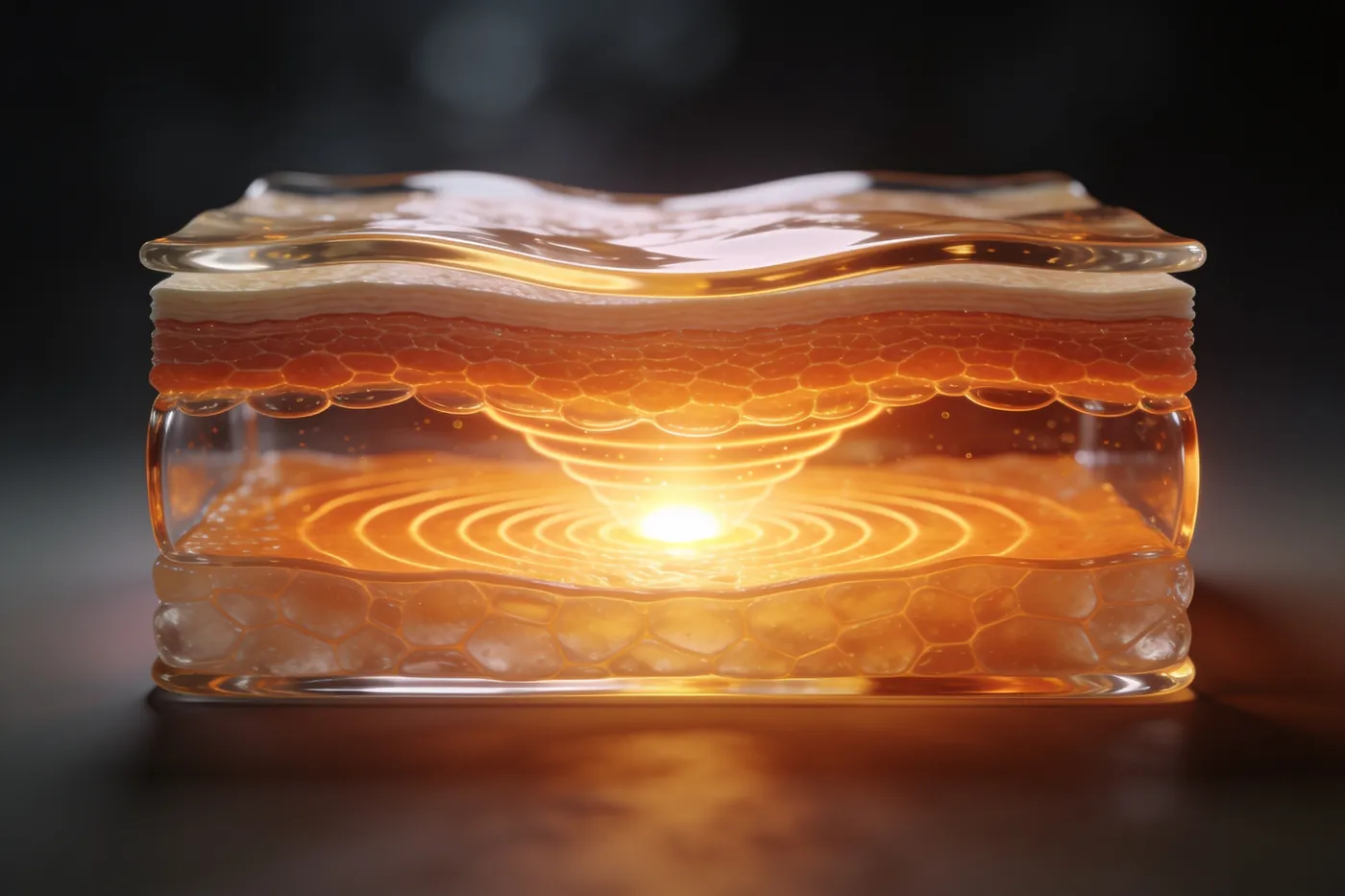
Abstract illustration of skin layers in amber tones with columns of light
Fractional and toning lasers act on different layers for different reasons.

How Laser Toning Works

The 1064 nm wavelength penetrates deeper than most pigment lasers and is only modestly absorbed by epidermal melanin — the property that makes it workable across Singapore’s Fitzpatrick III to V skin. Delivered at low fluence in multiple gentle passes, it fragments dermal pigment gradually and stimulates a mild collagen response, evening tone over a staged series.

In melasma, this conservatism is not optional. Melasma is heat-sensitive: high energy triggers rebound pigmentation — the familiar story of pigment that got worse after laser. Toning protocols for melasma stay deliberately gentle and sit inside a broader plan of sun protection and topical management — see the dedicated melasma page for that condition in full.

What Laser Toning Addresses

Uneven, Patchy Tone

Diffuse sun-driven pigment and the general unevenness that make-up is hiding. Toning works gradually across the whole canvas rather than spot-by-spot.

Post-Inflammatory Marks

The brown marks acne leaves behind (PIH). These are inflammation-driven and often respond to staged low-fluence work — provided the acne itself is controlled first.

Melasma — Conservatively

Managed, never “removed”. Low-fluence settings within a melasma protocol, alongside strict sun protection. Aggressive settings are declined on principle.

Dull, Tired-Looking Skin

Where tone rather than texture is the driver. If dehydration or collagen loss is the real cause, skin boosters may matter more than any laser.

Pore-Shadow & Fine Redness

The mild collagen response can soften pore shadowing; prominent redness has its own dedicated options and is diagnosed separately.

What It Does Not Do

Deep discrete spots, tattoos and textured scarring want different tools — pico laser and resurfacing exist for a reason. You will be pointed to the right one.

“Melasma is managed, not removed. Anyone promising removal is describing a different condition.”Dr Sin Yong

Key Facts

Laser Toning Singapore — the Mechanism in Numbers

Wavelength
1064 nm Nd:YAG
Fluence
Deliberately low — sub-ablative, surface kept intact
Pulse domain
Nanoseconds (Q-switched)
Penetration
Deeper dermal reach than shorter pigment wavelengths
Epidermal uptake
Modest melanin absorption at 1064 nm — workable in Fitzpatrick III–V
Melasma rule
Heat-sensitive pigment; aggressive fluence risks rebound

Reference: Polnikorn N. Treatment of refractory dermal melasma with the MedLite C6 Q-switched Nd:YAG laser: two case reports. Journal of Cosmetic and Laser Therapy. 2008;10(3):167-173.

The Laser Toning Process

01
Pigment Diagnosis

Wood’s-lamp-style examination and history separate sun pigment, PIH, melasma and redness. The diagnosis — not the request — sets the protocol.

02
Protocol Setting

Fluence, passes and intervals are set conservatively for your skin type and diagnosis, with melasma given its own gentler rules.

03
Treatment

Comfortable, surface-intact sessions; warmth and light snapping sensations are typical. No open wounds by design.

04
Sun Protection & Review

Pigment work is won or lost in daylight. Sunscreen habits are set up properly and response reviewed, with settings adjusted rather than escalated by default.

Skin brightening vs whitening: what's realistic

Skin brightening means a more even, clearer tone; it does not mean a lighter natural skin colour. A brightening treatment works on what makes skin look dull or patchy, such as sun-driven pigment, brown marks after acne, background redness and rough texture that scatters light. The shade you were born with is not a treatment target, and laser toning is not a whitening procedure.

“In melasma the laser is set to avoid provoking the pigment cells, which is why the settings are conservative.”

Dr Sin YongOn laser toning for melasma

What is realistic is gradual. Low-fluence 1064 nm toning evens tone over a staged series, melasma is managed rather than removed, and daily sun protection decides how much of any change is kept.

Be wary of products that promise whitening. The Health Sciences Authority has repeatedly found 'whitening' creams, often bought online or from overseas, to contain mercury, potent steroids or other prohibited ingredients that can harm skin and health. A cream that works dramatically fast is a reason to stop and have it checked, not to buy more. Prescription pigment agents are used only under medical supervision.

References
  1. Stay cautious, stay safe: 'whitening' and 'anti-ageing' products found to contain mercury and prohibited ingredients — Health Sciences Authority, Singapore, 2026.
  2. The Low-Fluence Q-Switched Nd:YAG Laser Treatment for Melasma: A Systematic Review — Medicina (Kaunas) (Lee YS, Lee YJ, Lee JM; PubMed 35888655), 2022.
  3. Laser Toning in Melasma — Journal of Cutaneous and Aesthetic Surgery (Shah SD, Aurangabadkar SJ; PubMed 31413475), 2019.
  4. Low-fluence Q-switched neodymium-doped yttrium aluminum garnet (1,064 nm) laser for the treatment of facial melasma in Asians — Dermatologic Surgery (Wattanakrai P et al.; PubMed 20298254), 2010.

Medically reviewed by Dr Sin Yong · Updated 7 October 2026

Who should not have laser toning?

Laser toning is gentle by design, but it is still deferred or reconsidered in some situations. Pregnancy is one, partly because melasma that appears in pregnancy often settles afterwards. A recent tan, sunburn, active acne or dermatitis in the area, and skin irritated by strong actives are settled first, because inflamed skin darkens more readily after laser.

Photosensitising medicines and a history of keloid scarring are discussed before treatment. Someone whose skin has already developed pale patches after earlier toning is not given more of the same, and melasma is treated only within its own conservative plan.

Toning is also the wrong first step when the diagnosis is unclear. A spot that is changing, raised or irregular is examined first and referred for dermatological assessment where needed, and redness from blood vessels, deep discrete spots and scarring are pointed to other treatments. Suitability is decided at consultation.

Is laser toning safe? The risks to know

Laser toning is low-energy, but it has recognised risks. Redness, warmth and mild swelling are common and usually settle within hours. The risks that matter are pigment changes: darkening after inflammation, rebound of melasma if heat builds up, and mottled pale spots, which have been reported with frequent repeated treatment of the same area and can be slow to recover.

A split-face study of 22 Asian patients with melasma, published in Dermatologic Surgery in 2010 and listed in the references, followed weekly low-fluence 1064 nm treatment: three developed mottled hypopigmentation, four had rebound hyperpigmentation during follow-up, and melasma recurred in all of them. Pinpoint bleeding or small blisters are uncommon at toning settings.

These risks are reduced by diagnosing the pigment first, keeping fluence low and intervals sensible rather than running toning on an open-ended schedule, adjusting rather than escalating settings, and daily broad-spectrum sun protection. Darkening, pale patches or anything that does not settle is reviewed before another session.

What recovery looks like after laser toning

The sequence below describes phases, not a timetable: how quickly each passes depends on the settings used, the area and the person, and is discussed at consultation.

  1. Immediately afterMild redness, warmth and slight swelling; the surface stays intact because the low-fluence 1064 nm energy reaches pigment without a wound.
  2. The first eveningRedness usually settles the same day; sun protection starts immediately, and no exfoliating actives are used that night.
  3. The following daysThe skin looks ordinary; strict sun protection continues, because inflamed skin darkens more readily after laser.
  4. As the skin settlesPigment lightens gradually rather than at once; melasma is treated only within a conservative plan to avoid rebound.
  5. Follow-upReview watches for darkening, rebound melasma or pale spots, and the interval between treatments is set by the skin's response.

Who it suits, who should wait, who is referred on

Tends to suit

  • Diffuse sun-related uneven tone
  • Brown marks left after acne, once acne is controlled
  • Dull tone where texture is not the main problem
  • Willing to use daily sun protection

Better to wait

  • Pregnancy
  • Recent tan or sunburn, or active acne or dermatitis in the area
  • Skin irritated by strong actives, or an expectation of lighter natural skin colour

Referred on

  • Changing, raised or irregular spot: dermatological assessment first
  • Deep discrete spots, tattoos or textured scars: other lasers or resurfacing considered
Who should not have this treatment
  • Pregnancy
  • Recent tan, sunburn or inflamed, irritated skin in the area
  • Active acne, dermatitis or infection over the treatment area
  • Photosensitising medicines, unless reviewed first
  • History of keloid scarring, to be discussed before treatment
  • Pale patches already developed after earlier toning

People hoping for a lighter natural skin colour or a quick single-visit change tend to respond poorly, because laser toning works gradually on tone and is not a whitening procedure.

Before you book

What determines the fee

The fee for laser toning depends on the area treated, the number of passes and zones, and whether it is combined with another treatment such as skin boosters or a pigment-focused plan. The diagnosis, particularly where melasma is involved, also shapes how the protocol is set. A written quote is given at consultation after your skin has been examined, and the consultation decides whether laser toning is advised at all, or whether another approach would suit the cause better.

How quotes work at this practice: how we quote.

Myths we hear in clinic

“Laser toning whitens skin.”

It aims at an even, clearer tone and does not change the shade you were born with.

“A stronger laser setting gives faster pigment correction.”

Higher energy can trigger rebound pigmentation, especially in melasma, so conservative settings are used.

Frequently Asked Questions — Laser Toning Singapore

A protocol: low-fluence 1064 nm Nd:YAG passes repeated over a staged series to gradually even tone and fragment dermal pigment, keeping the skin surface intact. It is defined by restraint — the opposite of maximum-energy treatment.

Only in its conservative form, inside a proper melasma plan. Melasma is heat-sensitive, and aggressive energy is a common cause of rebound pigmentation. If you have melasma, that diagnosis leads the plan — not the toning menu.

Pico lasers deliver ultra-short pulses that shatter pigment mechanically with less heat; toning uses longer nanosecond-domain pulses at low energy. They overlap on some concerns and differ on others — the choice is diagnostic, and some plans use both at different stages.

Usually rebound: too much heat in heat-sensitive pigment, most often undiagnosed melasma. The answer is to stop, reassess the diagnosis, and restart conservatively — not to add more energy.

Toning is cumulative by design; expecting a transformation from one gentle session misunderstands the mechanism. The realistic staging for your skin is set out at consultation.

The 1064 nm wavelength is one of the more appropriate choices for deeper skin tones because epidermal melanin absorbs it only modestly. Settings are still individualised — safe is a protocol, not a wavelength alone.

The fee depends on the area treated, the number of passes and zones, whether it is combined with another treatment, and how the diagnosis, especially melasma, shapes the protocol. Dr Sin Yong gives a written quote at consultation after examining the skin, and the consultation also decides whether laser toning is advised at all.

It tends to suit people with diffuse sun-related unevenness or brown marks after acne who accept that change is gradual and sun protection matters. It is the wrong tool for deep discrete spots, tattoos, textured scars, redness from vessels, or a wish to change natural skin colour. Diagnosis comes first.

No fixed duration can be promised. How long any change is kept depends on the cause of the pigment, daily sun protection, hormones, skin inflammation and the individual's tendency to pigment again. Melasma in particular can return. Review timing and maintenance are set at consultation.

Change is gradual and staged, not dramatic. Pigment can darken after inflammation, melasma can rebound if heat builds up, and pale spots have been reported with frequent repeated treatment. It does not suit every cause of uneven tone, and sun protection must continue for any change to be kept.

Question not answered here? Ask on WhatsApp, use the enquiry form, or browse 100 questions patients ask.

Medically reviewed by Dr Sin Yong, MBBS (NUS), MRCS (Edinburgh) · Last updated 7 October 2026 · Editorial policy

Related reading
Where Dr Sin Yong consults: Wheelock Place, 501 Orchard Road, Singapore 238880 (unit on booking) · Orchard MRT · Mon–Fri 10am–8pm, Sat 11am–3pm · WhatsApp +65 8023 7170 · Getting here · How fees are quoted

Laser Toning Consultation — Dr Sin Yong

Start with a message, not an appointment. Describe your concern on WhatsApp and you will get a straightforward reply about whether an assessment makes sense, before you commit to coming in.

  1. 1WhatsApp a short note on your concern
  2. 2Consultation and assessment with Dr Sin Yong
  3. 3Options explained, including no treatment

Replies within clinic hours: Mon–Fri 10am–8pm, Sat 11am–3pm · How consultations work · Prefer not to use WhatsApp? · Treatment finder

WhatsApp +65 8023 7170

This page is general information, not a diagnosis. Suitability for any treatment is decided at an in-person medical assessment.

References

1. Kwon SH, Na JI, Choi JY, et al. Melasma: Updates and perspectives. Exp Dermatol 2019;28(6):704-708. PubMed

2. Davis EC, Callender VD. Postinflammatory hyperpigmentation: a review of the epidemiology, clinical features, and treatment options in skin of color. J Clin Aesthet Dermatol 2010;3(7):20-31. PubMed

Skin & Lasers
Follow Dr Sin Yong
InstagramTikTokYouTubeThreadsXLinkedInFacebook
Dr Sin Yong · Ask about pigmentation · Doctor-performed
WhatsApp Enquiry