Conditions · Skin A–Z · Ingredients

Retinol

Medically reviewed by Dr Sin Yong · Last reviewed · 6 min read · Assessed personally by Dr Sin Yong · Jump to questions

A cosmetic form of vitamin A that the skin converts into retinoic acid, used to improve fine lines, texture and uneven tone.

WhatsApp Dr Sin Yong →
Invited by Device Makers to Share His Expertise
International KOL for 14+ device brandsShared his clinical expertise with 500+ doctors across AsiaMBBS (NUS) · MRCS (Edinburgh) · MSc with Distinction (Queen Mary, London) · MSc (Cardiff)Every assessment personally by Dr Sin Yong

Retinol is a cosmetic form of vitamin A that skin enzymes convert into retinoic acid, speeding cell turnover and supporting dermal collagen. It is used for fine lines, rough texture and uneven tone, acts more gently than prescription tretinoin, is usually applied at night, and is avoided during pregnancy and when trying to conceive.

Key Facts

What it is
A cosmetic form of vitamin A that the skin converts into retinoic acid, used to improve fine lines, texture and uneven tone.
Also called
Vitamin A alcohol; cosmetic retinoid
Pairs with
Sunscreen, ceramide moisturisers, niacinamide, hyaluronic acid; avoid layering with strong exfoliating acids on the same night
Who should take care
Avoid during pregnancy and when trying to conceive, as a precaution common to all retinoids, and generally while breastfeeding unless a doctor advises otherwise.
In Singapore
Retinol is permitted as a cosmetic ingredient and is widely sold in Singapore in serums and night creams.

What is retinol and what does it do?

Retinol is a precursor of retinoic acid, the active form of vitamin A. Once absorbed, skin enzymes convert it in two steps into retinoic acid, which binds nuclear receptors and changes gene expression in skin cells. The result is faster cell turnover, a more even outer layer, increased production of collagen in the dermis and reduced breakdown of existing collagen. Because only a fraction is converted, retinol acts more gently and slowly than prescription tretinoin. It is used for fine lines, rough texture, uneven tone, enlarged-looking pores and as maintenance for acne-prone skin. Night use is usual because retinoids degrade in light. [1]
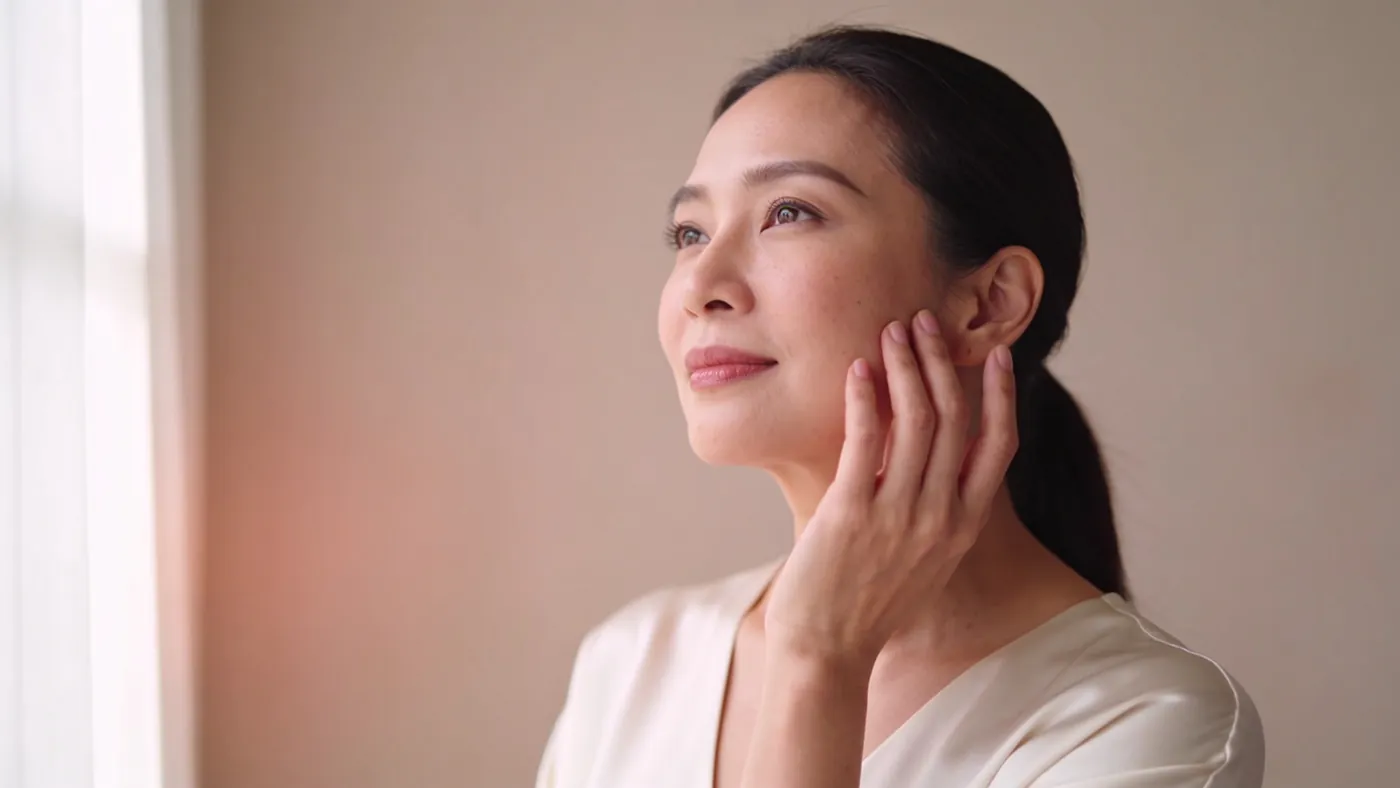
A woman by a window, hand resting against her cheek, skin evenly lit

“Much of the published work is industry-funded and uses varied formulations, so results from one product do not automatically transfer to another.”

Dr Sin YongOn topical retinol evidence

What does the evidence show?

A randomised, vehicle-controlled trial in older adults showed that 0.4% retinol increased collagen and improved fine wrinkling over 24 weeks, and other controlled studies report similar changes in photoaged skin. Reviews conclude that retinol produces the same type of effect as tretinoin but at a lower magnitude, with less irritation. Much of the published work is industry-funded and uses varied formulations, so results from one product do not automatically transfer to another.

Who should avoid retinol?

Avoid during pregnancy and when trying to conceive, as a precaution common to all retinoids, and generally while breastfeeding unless a doctor advises otherwise. People with eczema, rosacea flares, very sensitive skin or recent procedures may find it irritating. Start slowly, a few nights a week, and stop if peeling, burning or redness persists.

Is retinol available in Singapore?

Retinol is permitted as a cosmetic ingredient and is widely sold in Singapore in serums and night creams. Some regulators have introduced maximum retinol concentrations for cosmetics, so permitted strengths may change; it is different from prescription retinoic acid. If unsure about a product's strength or suitability, check with a doctor or pharmacist.

If a dark patch, breakout or irritation is not responding to what you are using, the next step is a diagnosis rather than another product. See the Skin A–Z library for related ingredients.

Prefer Not to Use WhatsApp?

Use the short enquiry form instead →

Leave your name, mobile number and email and the clinic will contact you directly. No obligation.

Your details are delivered directly to Dr Sin Yong's clinic team.

Thank you — your enquiry has been received. The clinic will contact you during opening hours (Mon–Fri 10am–8pm, Sat 11am–3pm).

Prefer a preliminary view first? You can also WhatsApp a photo of the area for Dr Sin Yong to review before you decide on a visit.

Questions Patients Actually Ask

What is Retinol used for?+

A cosmetic form of vitamin A that the skin converts into retinoic acid, used to improve fine lines, texture and uneven tone.

Who should avoid Retinol?+

Avoid during pregnancy and when trying to conceive, as a precaution common to all retinoids, and generally while breastfeeding unless a doctor advises otherwise. People with eczema, rosacea flares, very sensitive skin or recent procedures may find it irritating. Start slowly, a few nights a week, and stop if peeling, burning or redness persists.

Can Retinol be combined with other skincare?+

It is commonly paired with Sunscreen, ceramide moisturisers, niacinamide, hyaluronic acid; avoid layering with strong exfoliating acids on the same night; introduce one new active at a time and stop if irritation develops.

How is retinol different from tretinoin?+
Retinol is a cosmetic precursor that skin enzymes convert in two steps into retinoic acid, so it acts more gently. Tretinoin is retinoic acid itself and is a prescription-only medicine in Singapore. Which suits a person is a matter for a doctor's assessment.
What should I expect when I start using retinol?+
Some dryness, flaking or mild redness can appear early as the skin adjusts. Retinol is usually applied at night, with sunscreen by day. If redness, burning or peeling is persistent or severe, stop using it and see a doctor.

References

  1. Human Skin Aging and the Anti-Aging Properties of Retinol — Biomolecules, 2023.
  2. Improvement of naturally aged skin with vitamin A (retinol) — Archives of Dermatology, 2007.
  3. Topical retinoids (vitamin A creams) — DermNet.

Medically reviewed by Dr Sin Yong, MBBS (NUS), MRCS (Edinburgh) · Last updated 7 October 2026 · Editorial policy

Availability in Singapore

Retinol and its esters are cosmetic ingredients in Singapore, notified to the HSA under the Health Products Act. The ASEAN Cosmetic Directive annexes currently set no concentration limit for retinol itself, though retail products typically range from 0.1% to 1%. Tretinoin, the prescription retinoid, is prohibited in cosmetics and available only through a doctor. Retinol is avoided in pregnancy and breastfeeding as a precaution. A doctor assesses skin type and barrier tolerance before recommending a strength or prescribing tretinoin instead. Source.

Related reading
Follow Dr Sin Yong
InstagramTikTokYouTubeThreadsXLinkedInFacebook
Dr Sin Yong · Every assessment personally performed
WhatsApp Enquiry